Tutors to Teachers: WilmU and Reading Assist Turn Classroom Dreams Into Reality
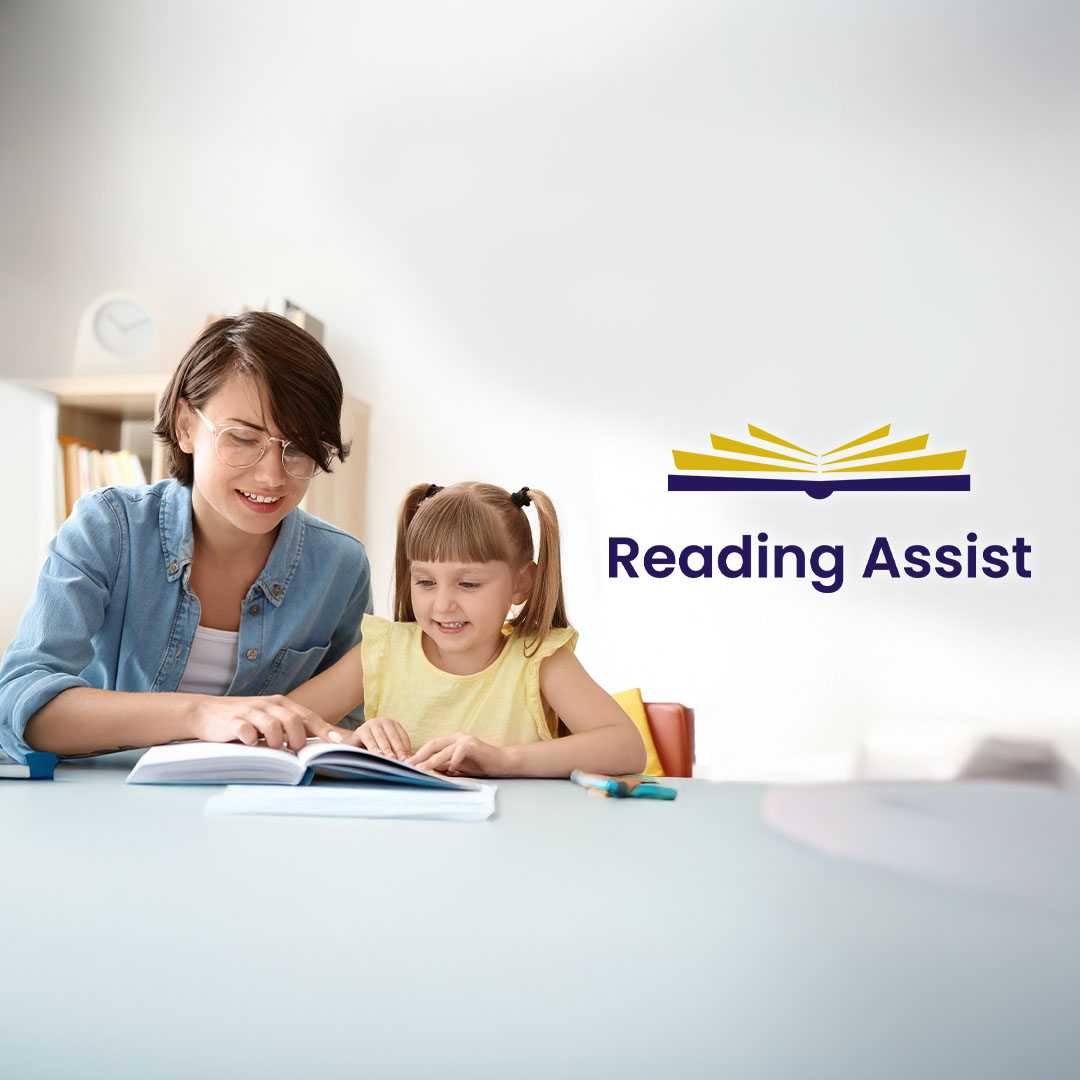
For those who are passionate about helping children succeed, becoming a teacher is a meaningful next step. Wilmington University, in partnership with Reading Assist, is helping to create a clear and accessible path to the classroom.
An Accessible Path to a Teaching Career
The Tutors to Teachers Delaware program addresses two critical needs: supporting students in the classroom today and preparing the next generation of teachers for tomorrow.
Participants begin by working as tutors, providing targeted literacy support to students. They can then enroll at Wilmington University to pursue the coursework and training needed to become certified special education teachers.
Reading Assist Fellows receive an AmeriCorps award for tuition expenses, matching funding from WilmU, and other benefits, such as a living allowance.
“I think the highlight of it all is the accessibility,” says Megan Schnetzer, WilmU’s chair of special education programs. Between awards and stipends, “it’s going to be free, or they’re going to come out net positive.”
Students in the program save money and time. They graduate in two years, instead of the traditional three and a half, with a master’s degree, elementary and special education certifications, and a reading intervention certificate. During the second year, they complete a paid teaching residency, adding to their qualifications.
Through their work, participants gain valuable insight into classroom dynamics, instructional strategies, and student needs. This experience strengthens their confidence and prepares them to transition into full-time teaching roles.
“They’re highly marketable,” Schnetzer says. “They’re not only coming with a degree that’s going to look good on paper — they’re coming with experience.”
The process starts with Reading Assist, which requires fellows to have a bachelor’s degree in any field. Full-timers commit to 900 service hours each year, working in person with small groups of learners. Once accepted by Reading Assist, prospective students can apply to WilmU for the M.Ed. in Special Education program.
“It really is such a good deal,” says Dr. Stacie Zdrojewski, WilmU’s chair of clinical studies in the College of Education and Liberal Arts. “This gets their foot in the door and gets them licensed, and then the possibilities are endless.”
Supporting Students and Strengthening Communities
The impact of the program extends beyond the individuals enrolled in it. By placing tutors in schools, the program provides additional support to students who benefit from focused attention and literacy development.
At the same time, it helps address ongoing teacher shortages by creating a pipeline of prepared, passionate educators ready to serve their communities.
The partnership reflects a shared commitment between Wilmington University and Reading Assist to invest in both current student success and the future of education.
Follow your classroom calling and earn your M.Ed. in Special Education with the Tutors to Teachers Delaware program, a partnership between Wilmington University and Reading Assist.
For those who are passionate about helping children succeed, becoming a teacher is a meaningful next step. Wilmington University, in partnership with Reading Assist, is helping to create a clear and accessible path to the classroom.
An Accessible Path to a Teaching Career
The Tutors to Teachers Delaware program addresses two critical needs: supporting students in the classroom today and preparing the next generation of teachers for tomorrow.
Participants begin by working as tutors, providing targeted literacy support to students. They can then enroll at Wilmington University to pursue the coursework and training needed to become certified special education teachers.
Reading Assist Fellows receive an AmeriCorps award for tuition expenses, matching funding from WilmU, and other benefits, such as a living allowance.
“I think the highlight of it all is the accessibility,” says Megan Schnetzer, WilmU’s chair of special education programs. Between awards and stipends, “it’s going to be free, or they’re going to come out net positive.”
Students in the program save money and time. They graduate in two years, instead of the traditional three and a half, with a master’s degree, elementary and special education certifications, and a reading intervention certificate. During the second year, they complete a paid teaching residency, adding to their qualifications.
Through their work, participants gain valuable insight into classroom dynamics, instructional strategies, and student needs. This experience strengthens their confidence and prepares them to transition into full-time teaching roles.
“They’re highly marketable,” Schnetzer says. “They’re not only coming with a degree that’s going to look good on paper — they’re coming with experience.”
The process starts with Reading Assist, which requires fellows to have a bachelor’s degree in any field. Full-timers commit to 900 service hours each year, working in person with small groups of learners. Once accepted by Reading Assist, prospective students can apply to WilmU for the M.Ed. in Special Education program.
“It really is such a good deal,” says Dr. Stacie Zdrojewski, WilmU’s chair of clinical studies in the College of Education and Liberal Arts. “This gets their foot in the door and gets them licensed, and then the possibilities are endless.”
Supporting Students and Strengthening Communities
The impact of the program extends beyond the individuals enrolled in it. By placing tutors in schools, the program provides additional support to students who benefit from focused attention and literacy development.
At the same time, it helps address ongoing teacher shortages by creating a pipeline of prepared, passionate educators ready to serve their communities.
The partnership reflects a shared commitment between Wilmington University and Reading Assist to invest in both current student success and the future of education.
Follow your classroom calling and earn your M.Ed. in Special Education with the Tutors to Teachers Delaware program, a partnership between Wilmington University and Reading Assist.