Partnering to End Gun Violence in Delaware
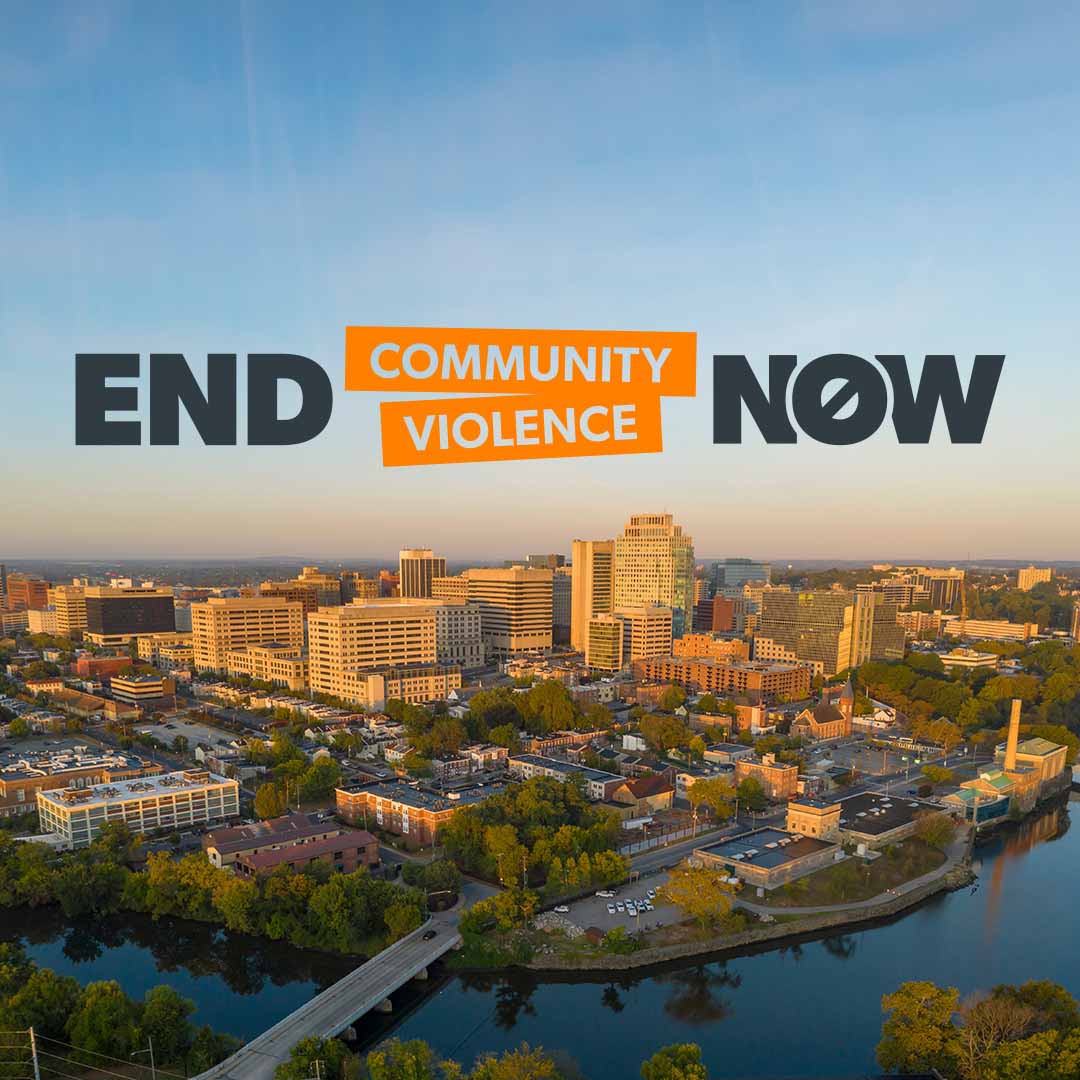
Wilmington University has partnered with End Community Violence Now, an advocacy group dedicated to ending gun violence, to launch the Trauma-Informed Community Practice Training Series, a new professional development program designed to strengthen Delaware’s violence prevention workforce.
Created for frontline outreach workers, case managers and community practitioners, the five-part asynchronous series provides participants with the knowledge and practical skills to work safely and effectively in violence prevention and intervention efforts. The program was developed in collaboration with experts from the College of Social and Behavioral Sciences.
“This program represents an important step forward in building a prepared, resilient community workforce, giving participants practical, trauma-informed tools and reinforcing clear professional boundaries and long-term sustainability in this critical work,” says Rick Beno, associate dean of the College of Professional and Continuing Education.
The training covers trauma-informed foundations, resilience and secondary trauma, intervention and crisis response skills, casework and social services, and cognitive and workplace practices. Participants who work on the front lines in the community will build real-world skills, including managing confrontations and stress, documenting cases, and providing support services.
— Eileen Smith Dallabrida
Wilmington University has partnered with End Community Violence Now, an advocacy group dedicated to ending gun violence, to launch the Trauma-Informed Community Practice Training Series, a new professional development program designed to strengthen Delaware’s violence prevention workforce.
Created for frontline outreach workers, case managers and community practitioners, the five-part asynchronous series provides participants with the knowledge and practical skills to work safely and effectively in violence prevention and intervention efforts. The program was developed in collaboration with experts from the College of Social and Behavioral Sciences.
“This program represents an important step forward in building a prepared, resilient community workforce, giving participants practical, trauma-informed tools and reinforcing clear professional boundaries and long-term sustainability in this critical work,” says Rick Beno, associate dean of the College of Professional and Continuing Education.
The training covers trauma-informed foundations, resilience and secondary trauma, intervention and crisis response skills, casework and social services, and cognitive and workplace practices. Participants who work on the front lines in the community will build real-world skills, including managing confrontations and stress, documenting cases, and providing support services.
— Eileen Smith Dallabrida