
WilmU One-on-One: Dr. Matt Wilson Discusses Leading the NCAA’s Faculty Athletics Representatives Association
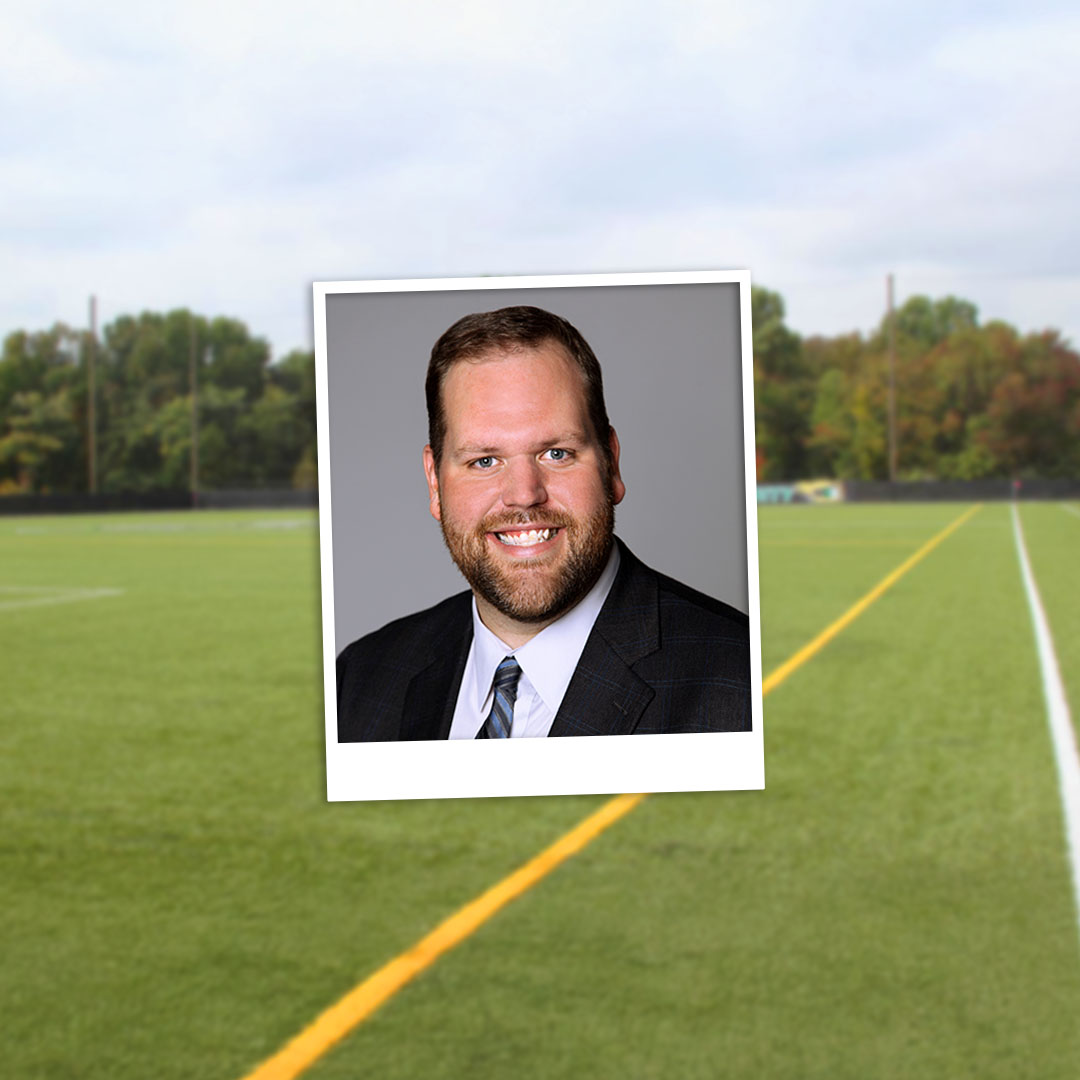
Dr. Matt Wilson’s commitment to student-athletes extends beyond Wilmington University — as president of the Faculty Athletics Representatives Association within the NCAA, he’s an advocate on the national stage.
Dr. Wilson serves as a director and professor in the College of Education and Liberal Arts and holds an Ed.D in Higher Education leadership and Innovation from the University.
Q. Congratulations on your new role! Can you tell us what leading the Faculty Athletics Representatives Association entails and what it means to you personally?
Serving as president of the Faculty Athletics Representatives Association (FARA) is both an honor and a responsibility. Our organization represents Faculty Athletics Representatives (FARs) from institutions across the country who work at the intersection of academics, athletics and student well-being. In this role, I help guide national conversations with the NCAA about academic integrity, student-athlete welfare, eligibility and the evolving landscape of college sports.
Personally, it means advocating for the idea that athletics is part of higher education, not separate from it. My career has always centered on students first, and this role allows me to help shape policies and initiatives that ensure student-athletes graduate prepared for life after competition.
Q. How do FARs help bridge academics and athletics, and how does WilmU strike that balance for its student-athletes?
FARs are translators between two cultures that sometimes operate at different speeds — the classroom and the competition schedule. We make sure academic standards are upheld, monitor eligibility, support academic progress and advocate for reasonable demands on student-athletes’ time.
At Wilmington University, that balance works because flexibility is built into the institutional culture. Many of our students are already working professionals, parents or military affiliated, so supporting student-athletes fits naturally into our model. Coaches, faculty and athletic advisors communicate regularly. The message is consistent: Your jersey matters, but your degree and life goals matter more.
Q. What is the biggest challenge student-athletes face today, and how do FARs help them navigate it?
One of our biggest challenges is managing identity in a rapidly changing collegiate athletics environment. Opportunities include transfer rules, social media pressures and time demands. Student-athletes are competitors, students, brand managers and young adults planning careers all at once.
FARs provide perspective. We help students understand long-term implications, prioritize academics and connect them with campus resources. Sometimes our most important role is simply being the biggest cheerleader, not just on the field or classroom but in their lives.
Q. Given the increasing complexity of college sports, how is the FAR role evolving?
Historically, FARs focused heavily on eligibility certification and academic oversight. Today the role is much broader: compliance education, mental health advocacy, NIL (name, image and likeness) and transfer guidance, helping coaches understand academic expectations, and policy consultation with the NCAA.
We’re becoming campus stewards and student advocates in addition to academic representatives. As college athletics grows more complex, the FAR’s job is to keep decision-making grounded in educational values, student development and long-term success beyond competition.
We don’t just talk about access and opportunity. We live it and provide it.
— Dr. Matt Wilson
Q. How are WilmU student-athletes engaged in the community?
One of the defining characteristics of Wilmington University student-athletes is that many are already actively building their careers. They are working jobs, completing internships and gaining entry-level professional experience while competing.
Many are also involved in service activities and campus initiatives, which help them build empathy, collaboration skills and an understanding of diverse perspectives. Our teams participate in youth clinics, local community visits (like Nemours Children’s Hospital), food drives and community partnerships throughout the state.
Through those experiences, combined with their academic coursework and athletic participation, they develop durable career skills that employers consistently value. In the workplace, they learn accountability, communication and professionalism. In the classroom, they strengthen critical thinking, problem-solving and technical knowledge within their fields of study. As student-athletes, they practice teamwork, leadership, resilience and performing under pressure.
They don’t just learn in the classroom or in their sport; they learn by contributing to the communities they are part of, understanding that professional growth and caring for others go hand in hand.
Q. What exciting things can WilmU Athletics fans look forward to this spring?
Spring is one of the most energetic seasons for WilmU Athletics — baseball, lacrosse, track and softball seasons underway; tennis and golf continue competing; all pushing toward conference championships and national tournament appearances. Our student-athletes compete intensely while representing the University with integrity and professionalism. It’s an environment where you can watch great competition and feel proud of how the game is played.
Q. What do you love about WilmU?
WilmU meets students where they are academically and personally. Our students are determined, often balancing careers, families and education, and that creates a culture of respect and purpose.
What I love most is authenticity. We don’t just talk about access and opportunity. We live it and provide it. And athletics fits perfectly within that mission: helping students grow, graduate and succeed long after the final competition.
At WilmU Athletics, you can learn more about the University’s 16 NCAA Division II teams, read sports news, and find schedules and rosters.
Dr. Matt Wilson’s commitment to student-athletes extends beyond Wilmington University — as president of the Faculty Athletics Representatives Association within the NCAA, he’s an advocate on the national stage.
Dr. Wilson serves as a director and professor in the College of Education and Liberal Arts and holds an Ed.D in Higher Education leadership and Innovation from the University.
Q. Congratulations on your new role! Can you tell us what leading the Faculty Athletics Representatives Association entails and what it means to you personally?
Serving as president of the Faculty Athletics Representatives Association (FARA) is both an honor and a responsibility. Our organization represents Faculty Athletics Representatives (FARs) from institutions across the country who work at the intersection of academics, athletics and student well-being. In this role, I help guide national conversations with the NCAA about academic integrity, student-athlete welfare, eligibility and the evolving landscape of college sports.
Personally, it means advocating for the idea that athletics is part of higher education, not separate from it. My career has always centered on students first, and this role allows me to help shape policies and initiatives that ensure student-athletes graduate prepared for life after competition.
Q. How do FARs help bridge academics and athletics, and how does WilmU strike that balance for its student-athletes?
FARs are translators between two cultures that sometimes operate at different speeds — the classroom and the competition schedule. We make sure academic standards are upheld, monitor eligibility, support academic progress and advocate for reasonable demands on student-athletes’ time.
At Wilmington University, that balance works because flexibility is built into the institutional culture. Many of our students are already working professionals, parents or military affiliated, so supporting student-athletes fits naturally into our model. Coaches, faculty and athletic advisors communicate regularly. The message is consistent: Your jersey matters, but your degree and life goals matter more.
Q. What is the biggest challenge student-athletes face today, and how do FARs help them navigate it?
One of our biggest challenges is managing identity in a rapidly changing collegiate athletics environment. Opportunities include transfer rules, social media pressures and time demands. Student-athletes are competitors, students, brand managers and young adults planning careers all at once.
FARs provide perspective. We help students understand long-term implications, prioritize academics and connect them with campus resources. Sometimes our most important role is simply being the biggest cheerleader, not just on the field or classroom but in their lives.
Q. Given the increasing complexity of college sports, how is the FAR role evolving?
Historically, FARs focused heavily on eligibility certification and academic oversight. Today the role is much broader: compliance education, mental health advocacy, NIL (name, image and likeness) and transfer guidance, helping coaches understand academic expectations, and policy consultation with the NCAA.
We’re becoming campus stewards and student advocates in addition to academic representatives. As college athletics grows more complex, the FAR’s job is to keep decision-making grounded in educational values, student development and long-term success beyond competition.
We don’t just talk about access and opportunity. We live it and provide it.
— Dr. Matt Wilson
Q. How are WilmU student-athletes engaged in the community?
One of the defining characteristics of Wilmington University student-athletes is that many are already actively building their careers. They are working jobs, completing internships and gaining entry-level professional experience while competing.
Many are also involved in service activities and campus initiatives, which help them build empathy, collaboration skills and an understanding of diverse perspectives. Our teams participate in youth clinics, local community visits (like Nemours Children’s Hospital), food drives and community partnerships throughout the state.
Through those experiences, combined with their academic coursework and athletic participation, they develop durable career skills that employers consistently value. In the workplace, they learn accountability, communication and professionalism. In the classroom, they strengthen critical thinking, problem-solving and technical knowledge within their fields of study. As student-athletes, they practice teamwork, leadership, resilience and performing under pressure.
They don’t just learn in the classroom or in their sport; they learn by contributing to the communities they are part of, understanding that professional growth and caring for others go hand in hand.
Q. What exciting things can WilmU Athletics fans look forward to this spring?
Spring is one of the most energetic seasons for WilmU Athletics — baseball, lacrosse, track and softball seasons underway; tennis and golf continue competing; all pushing toward conference championships and national tournament appearances. Our student-athletes compete intensely while representing the University with integrity and professionalism. It’s an environment where you can watch great competition and feel proud of how the game is played.
Q. What do you love about WilmU?
WilmU meets students where they are academically and personally. Our students are determined, often balancing careers, families and education, and that creates a culture of respect and purpose.
What I love most is authenticity. We don’t just talk about access and opportunity. We live it and provide it. And athletics fits perfectly within that mission: helping students grow, graduate and succeed long after the final competition.
At WilmU Athletics, you can learn more about the University’s 16 NCAA Division II teams, read sports news, and find schedules and rosters.